PegasusSwap Highlights Zano in New 2026 Review

Table of Contents

  1. PegasusSwap Publishes a Zano Review
  2. Why This Matters
  3. What the Review Covers
  4. About PegasusSwap
  5. Why More Platforms Are Covering Zano
  6. Sources

1. PegasusSwap Publishes a Zano Review

PegasusSwap, a cryptocurrency swap platform that allows users to exchange digital assets and publishes educational blockchain content, has released a new article introducing Zano to readers interested in privacy-focused cryptocurrencies.

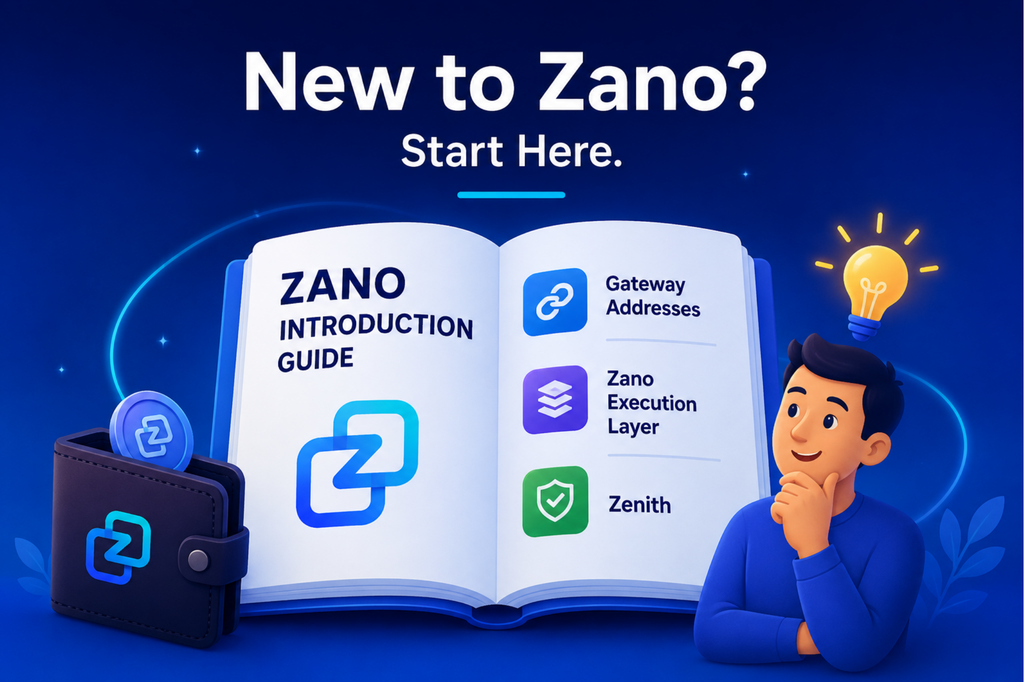
The review describes Zano as a privacy-first blockchain created by one of the original developers behind the CryptoNote protocol. It is written for both newcomers and experienced crypto users, explaining the project in simple language while highlighting its long-term vision and technology.

The announcement was also shared on X, where PegasusSwap encouraged anyone exploring the next generation of privacy-focused cryptocurrencies to check out the guide.

2. Why This Matters

As more crypto projects compete for attention, independent articles help introduce new users to different blockchain ecosystems.

When established platforms publish educational content about Zano, it can:

  • Increase awareness of the project.
  • Help newcomers understand what makes Zano different.
  • Encourage readers to research privacy-focused technology.
  • Bring more attention to the growing Zano ecosystem.

Educational content is often one of the first places people learn about a cryptocurrency before deciding whether to explore it further.

3. What the Review Covers

According to PegasusSwap, the article explains several important aspects of Zano, including:

  • Zano’s privacy-focused design.
  • The history behind the CryptoNote developer who helped create the project.
  • Key blockchain features.
  • The technology behind the network.
  • The project’s future potential.

The review is designed as an introduction rather than a highly technical document, making it accessible for readers who are new to privacy coins.

4. About PegasusSwap

PegasusSwap is a cryptocurrency swap platform that allows users to exchange supported digital assets through its website.

Its platform focuses on providing a straightforward swapping experience while also publishing educational articles covering blockchain projects, cryptocurrencies, and industry topics. The addition of a dedicated Zano review shows the platform’s interest in highlighting privacy-focused technologies.

5. Why More Platforms Are Covering Zano

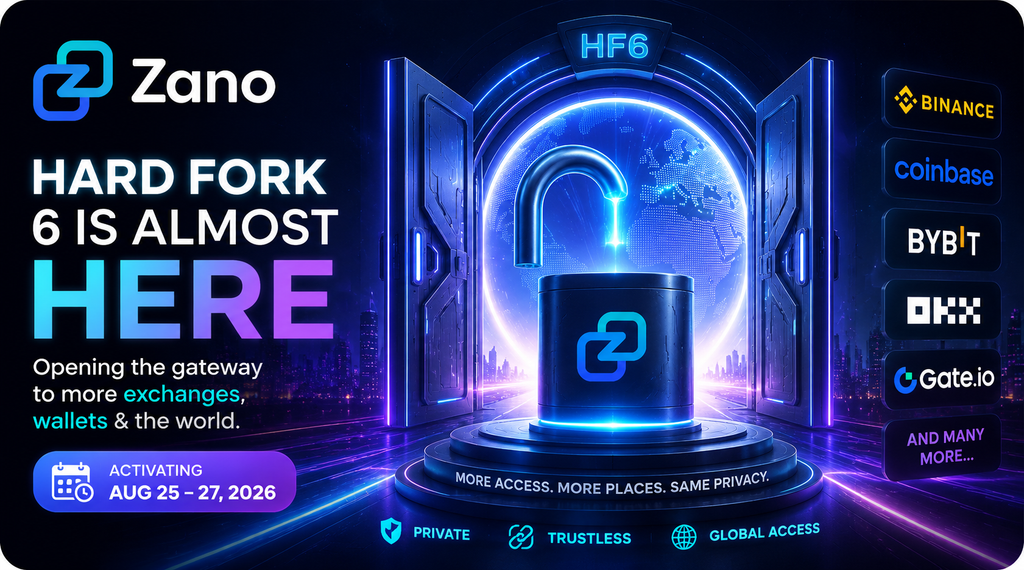
Over the past year, Zano has continued expanding its ecosystem with new integrations, wallet improvements, infrastructure upgrades, and preparations for Hard Fork 6. These developments have attracted increasing attention from exchanges, swap services, developers, and crypto media.

As more companies publish educational content about Zano, it becomes easier for people who have never heard of the project to discover its technology and learn how it differs from other privacy-focused cryptocurrencies.

While educational articles do not guarantee adoption, they can help increase visibility and encourage more people to explore the ecosystem.

6. Sources

Disclaimer:Β ZanoNews.comΒ is an independent news and information website. This article is for informational purposes only and should not be considered financial, investment, or legal advice.

What Is fUSD? Zano’s Private Stablecoin

Stablecoins have become an essential part of the cryptocurrency ecosystem, allowing users to send and store digital dollars without the price volatility of many cryptocurrencies.

While USDT (Tether) is the world’s largest stablecoin, some users are looking for alternatives that offer greater privacy and decentralization. One of those alternatives is fUSD, a privacy-focused stablecoin built on Zano, a privacy-first blockchain designed for confidential transactions.

Table of Contents

  1. What Is fUSD?
  2. Why Was fUSD Created?
  3. How Does fUSD Compare to USDT?
  4. Who Is fUSD For?
  5. Looking Ahead

1. What Is fUSD?

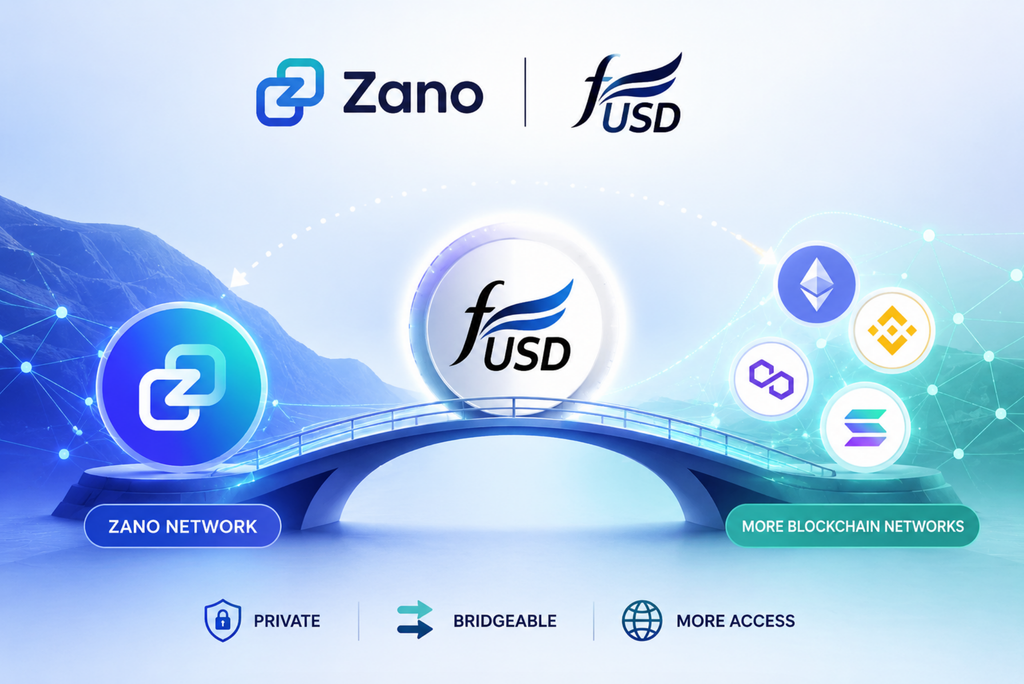
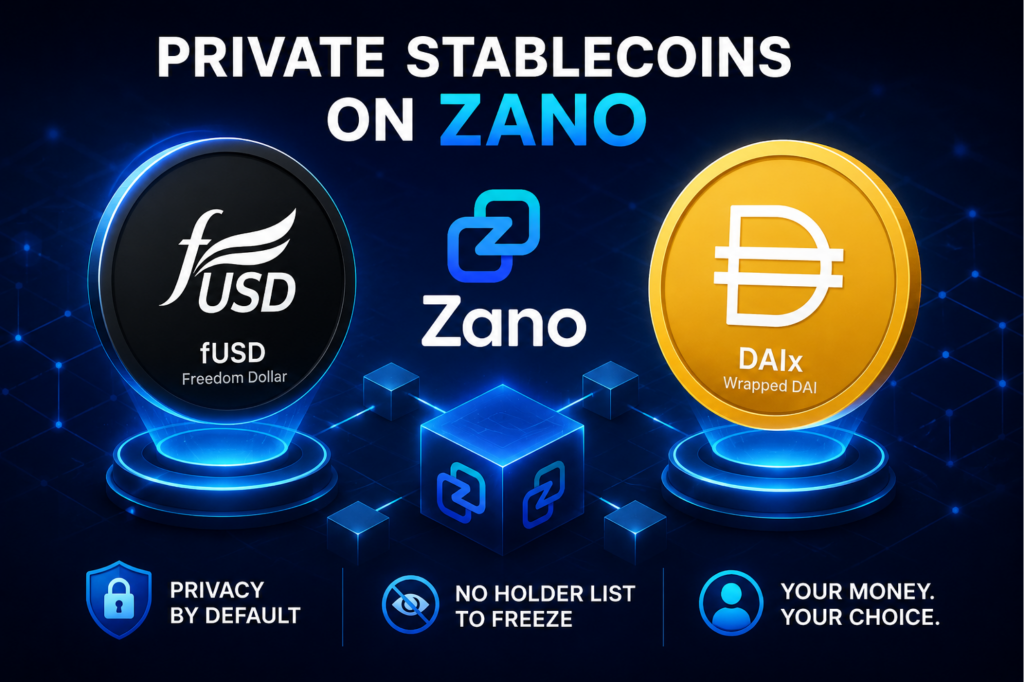
fUSD (Freedom Dollar) is a decentralized stablecoin built on the Zano blockchain.

Its goal is to provide a digital dollar that combines price stability with the privacy and censorship resistance that Zano is known for.

According to the Freedom Dollar project, fUSD is designed to be:

  • Private
  • Decentralized
  • Censorship-resistant
  • Suitable for peer-to-peer digital payments

Unlike centrally issued stablecoins, fUSD is designed so that no single company controls user balances or can freeze individual wallets.

2. Why Was fUSD Created?

Most of today’s leading stablecoins are issued by centralized companies.

For example, Tether, the company that issues USDT, can freeze USDT held in specific wallet addresses. This capability is typically used to comply with legal orders, enforce sanctions, or help prevent the movement of funds linked to fraud, theft, or other illicit activity.

According to Freedom Dollar’s USDT Freeze Tracker, Tether has frozen more than $4.536 billion worth of USDT held in blacklisted wallet addresses to date.

This does not mean all USDT is frozen or that every USDT holder is affected. Instead, it highlights that USDT is a centrally issued stablecoin, meaning its issuer has the authority to freeze tokens held in specific wallet addresses when required.

Freedom Dollar developed fUSD as a privacy-focused, decentralized alternative built on the Zano blockchain for users who value financial privacy, censorship resistance, and greater control over their digital assets.

3. How Does fUSD Compare to USDT?

Although both are designed to maintain a stable value, they are built with different priorities.

USDT (Tether)

  • Issued by a centralized company.
  • Supported by most major exchanges and trading platforms.
  • Tether can freeze USDT held in specific wallet addresses when required.

fUSD (Freedom Dollar)

  • Built on the Zano blockchain.
  • Designed with privacy as a core feature.
  • Aims to be censorship-resistant.
  • Does not rely on a central issuer to control user funds.

Neither approach is inherently betterβ€”they simply serve different use cases. Some users prioritize liquidity and widespread adoption, while others prefer greater privacy and decentralization.

4. Who Is fUSD For?

fUSD may appeal to users who:

  • Want a privacy-focused stablecoin.
  • Prefer decentralized financial tools.
  • Value censorship resistance.
  • Are active within the Zano ecosystem.

As the Freedom Dollar project develops, it aims to provide a stable digital currency that aligns with Zano’s privacy-first approach to blockchain technology.

5. Looking Ahead

Stablecoins are likely to remain an important part of the cryptocurrency ecosystem, but not every stablecoin is built the same way.

USDT continues to be the most widely used stablecoin, offering deep liquidity and broad adoption. At the same time, its centralized design means Tether can freeze USDT held in specific wallet addresses when necessary.

For users who want a different approach, fUSD on the Zano blockchain offers a privacy-focused and decentralized alternative. As the project continues to evolve, it gives users another option for storing and transferring value while emphasizing privacy, censorship resistance, and greater control over their digital assets.

To learn more, visit:

Disclaimer: ZanoNews.com is an independent news and information website. This article is for informational purposes only and should not be considered financial, investment, or legal advice.

ZanoBay: The Marketplace That Doesn’t Watch You

When you shop online, you probably think about the price, shipping, or whether the seller is trustworthy. But have you ever wondered who else can see your purchase?

Traditional online marketplaces often collect and store information about what you buy, how you pay, and who you pay.

ZanoBay is different.

Built on the Zano blockchain, it’s a peer-to-peer marketplace where you can buy and sell using $ZANO or fUSD (Freedom Dollar). Payments stay private, messages are protected with end-to-end encryption, and you have greater control over your financial privacy.

πŸ“š Table of Contents

  1. What Is ZanoBay?
  2. How Traditional Online Marketplaces Work
  3. Why Financial Privacy Matters
  4. What Makes ZanoBay Different?
  5. Why ZANO and fUSD Are Used
  6. What Can You Buy on ZanoBay?
  7. Who Is ZanoBay For?
  8. The Future of Private Commerce

1. What Is ZanoBay?

ZanoBay is a peer-to-peer online marketplace built on the Zano blockchain.

Instead of using traditional payment methods, buyers and sellers can complete transactions using:

The platform is currently in Beta and already includes more than 140 products and services across a growing number of categories.

Some of these include:

  • 🏠 Housing
  • πŸ’Ό Jobs
  • πŸ‘¨β€πŸ’» Freelancing
  • πŸš— Vehicles
  • πŸ’» Electronics
  • πŸ‘• Fashion
  • πŸ” Food
  • 🏒 Businesses
  • 🎁 Gift Cards

The goal is simple: make it easy for people to trade directly with one another while keeping their payments private.

2. How Traditional Online Marketplaces Work

Most online marketplaces work through several different companies.

For example, when you buy something online, information may pass through:

  1. The marketplace
  2. Your payment processor
  3. Your bank
  4. Your card provider
  5. Analytics and fraud detection systems

Each part of the process may store information about your purchase.

That information can include:

  • What you bought
  • When you bought it
  • How much you spent
  • Who received the payment

These systems serve legitimate purposes, such as preventing fraud and processing payments efficiently. However, they also create detailed records of your shopping activity.

3. Why Financial Privacy Matters

Wanting financial privacy doesn’t mean you have something to hide. Just as you lock your home, protect your phone with a password, and use encrypted messaging apps, many people believe their payments should also stay private.

Your spending habits can reveal a lot about your life, so some people prefer marketplaces that collect as little personal information as possible.

4. What Makes ZanoBay Different?

ZanoBay was built with privacy at its core.

Here are three features that make it different from many traditional marketplaces.

πŸ”’ Private Payments

Payments made with $ZANO and $fUSD use Zano’s privacy technology.

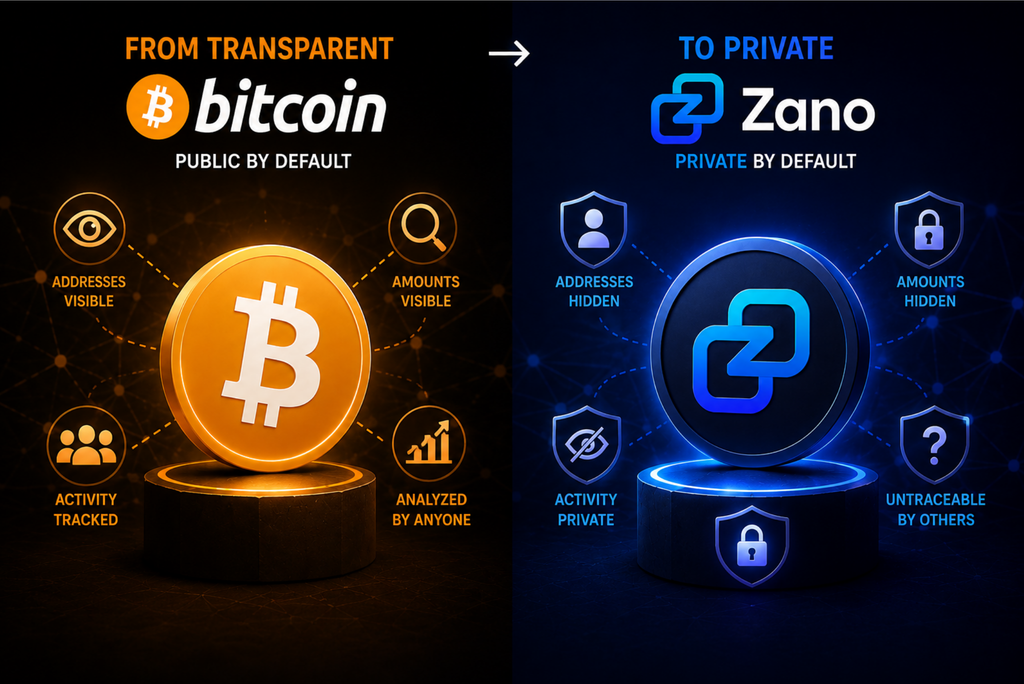
Unlike transparent blockchains, Zano is designed so transaction details such as wallet addresses, transferred amounts, and assets are not publicly visible by default.

This helps keep financial activity private between the people involved.

πŸ’¬ End-to-End Encrypted Messaging

Communication between buyers and sellers is protected using end-to-end encryption.

That means only the people taking part in the conversation can read the messages.

🀝 Peer-to-Peer Trading

Instead of relying entirely on centralized payment systems, buyers and sellers interact directly using the Zano network.

This creates a marketplace where privacy is built into the experience rather than added later.

5. Why ZANO and fUSD Are Used

ZanoBay currently supports two digital assets.

🟦 ZANO

ZANO is the native cryptocurrency of the Zano blockchain.

It powers transactions across the network while providing privacy by default.

πŸ’΅ fUSD

fUSD (Freedom Dollar) is a confidential stable asset on the Zano network.

Because its value is designed to remain relatively stable, it can be useful for buyers and sellers who want to avoid the price swings often associated with cryptocurrencies.

Together, $ZANO and $fUSD give users two ways to pay while benefiting from the privacy features built into the Zano ecosystem.

6. What Can You Buy on ZanoBay?

Although still in Beta, ZanoBay already offers a wide variety of listings.

You can browse categories such as:

  • 🏑 Housing
  • πŸ’Ό Jobs
  • πŸ‘¨β€πŸ’» Freelance Services
  • 🚘 Vehicles
  • πŸ’» Electronics
  • πŸ” Food
  • πŸ‘• Fashion
  • 🏒 Businesses
  • πŸ’³ Gift Cards

As more buyers and sellers join the platform, the range of products and services is expected to continue growing.

7. Who Is ZanoBay For?

ZanoBay isn’t designed for just one type of user.

It could appeal to:

πŸ‘€ Privacy-conscious shoppers

People who prefer not to have every purchase linked to their identity whenever possible.

πŸ’Ό Freelancers

Professionals who want to receive cryptocurrency payments directly from clients.

πŸͺ Businesses

Merchants interested in accepting $ZANO or $fUSD as payment while reaching customers in the growing Zano ecosystem.

🌍 Cryptocurrency users

People who already hold $ZANO or $fUSD and want to spend their digital assets instead of simply holding them.

8. The Future of Private Commerce

For many years, cryptocurrency has mainly been associated with investing and trading.

Platforms like ZanoBay are helping expand that vision by focusing on something people do every dayβ€”buying and selling goods and services.

As concerns about online privacy continue to grow, more users are beginning to ask how much personal information they share whenever they make a purchase.

ZanoBay offers a different answer.

Instead of treating privacy as an optional feature, it makes it part of the shopping experience through private payments, peer-to-peer trading, and end-to-end encrypted messaging.

Whether you’re buying a product, offering a freelance service, or simply exploring new ways to use cryptocurrency, ZanoBay demonstrates how blockchain technology can be used for more than speculationβ€”it can support everyday commerce while giving users greater control over their financial privacy.

As the marketplace grows, it could become an important example of what private online commerce looks like in the years ahead.

To learn more, visit:

Disclaimer: ZanoNews.com is an independent news and information website. This article is for informational purposes only and should not be considered financial, investment, or legal advice.